From Niigata field
to your hands.
Every card below is a chapter in the rice's journey — from volcanic soil to the press of a palm.
The Field
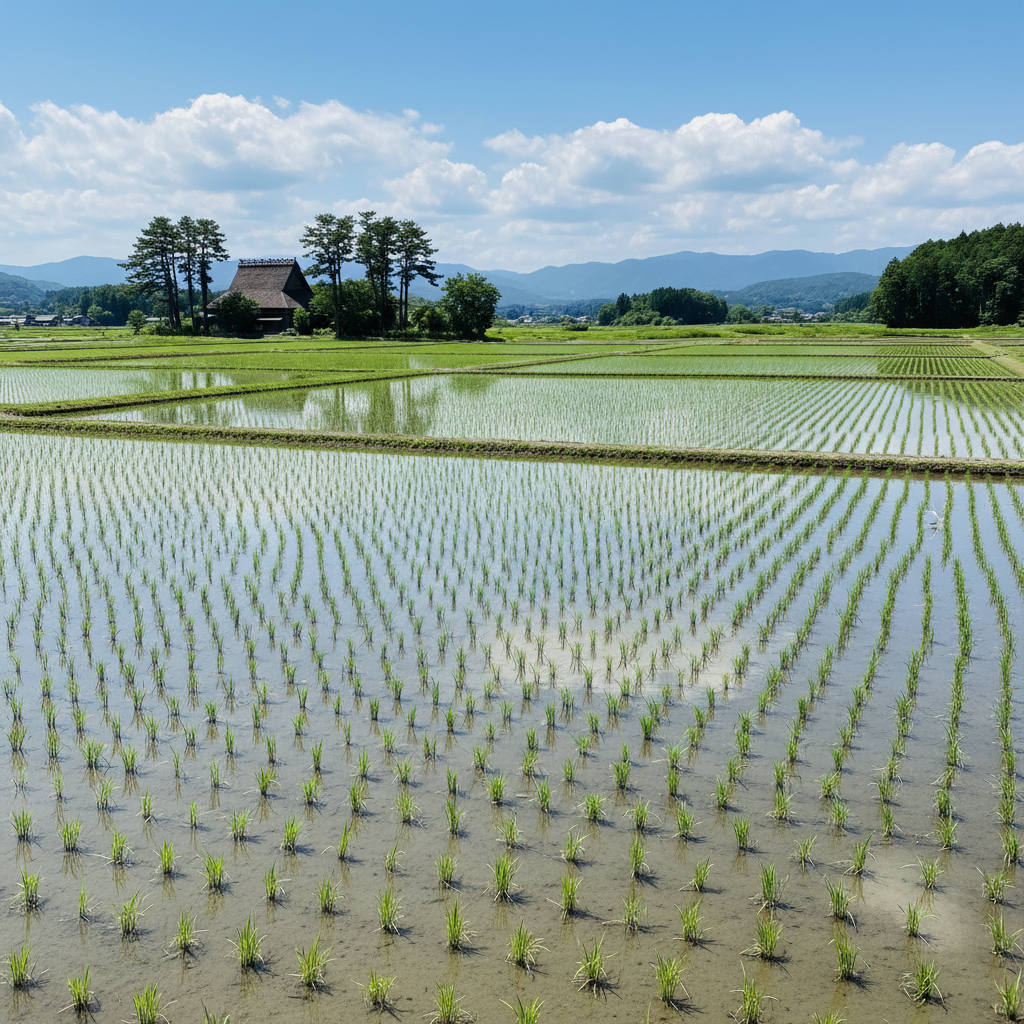
Uonuma, Niigata Prefecture. The Shinano River valley produces the most prized Koshihikari in Japan — short-grain, sticky, sweet. We source from a single family farm that has grown for four generations.
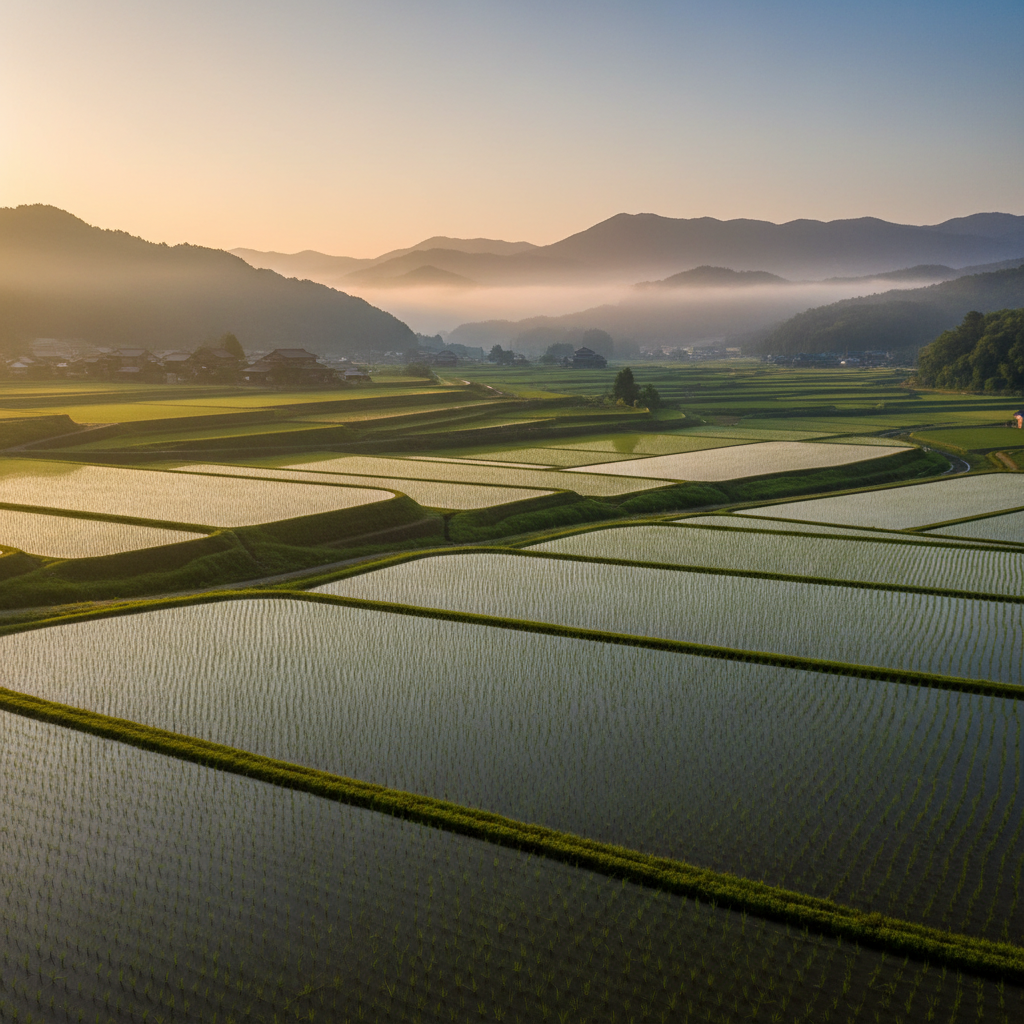
Uonuma, Niigata — harvest season
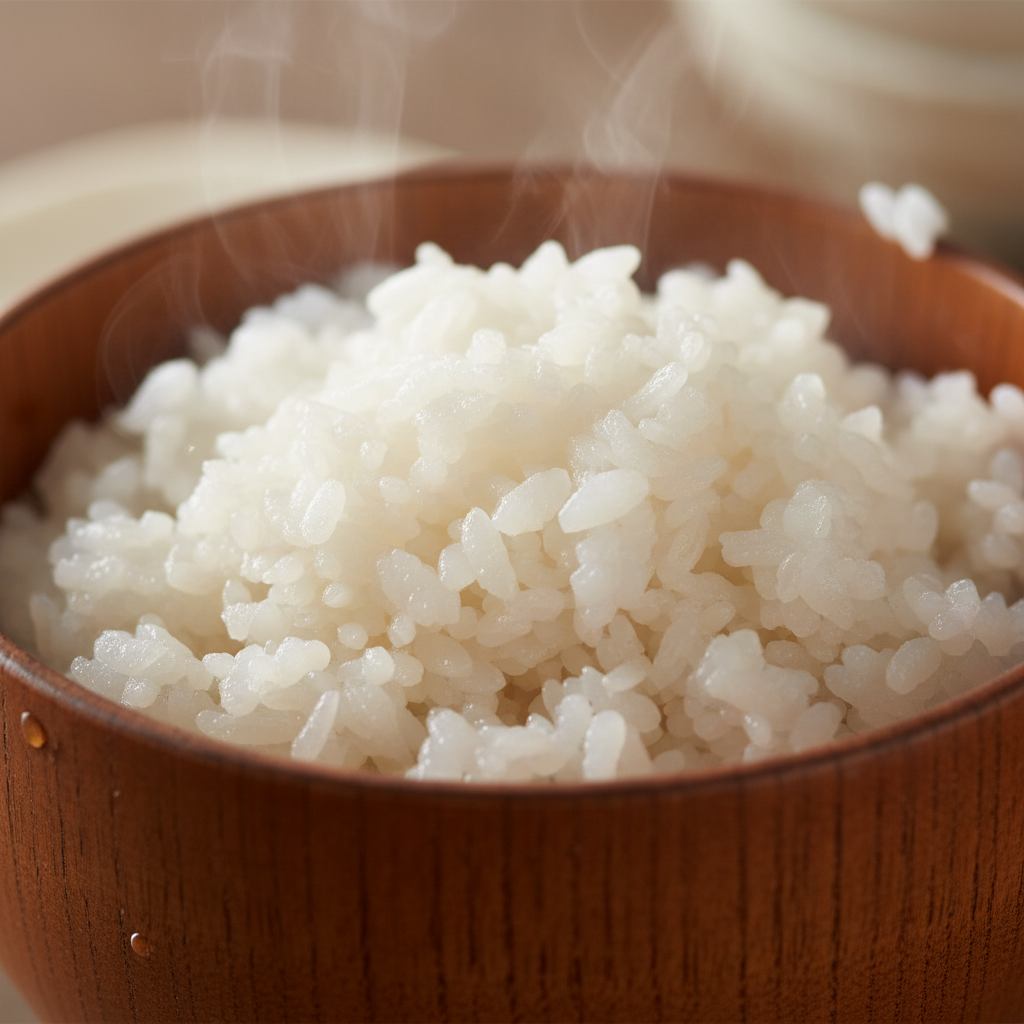
Koshihikari — the grain that holds
4°C
The temperature difference
Warm days and cold nights in the Uonuma valley force the rice to develop more starch — the secret behind Koshihikari's legendary stickiness.
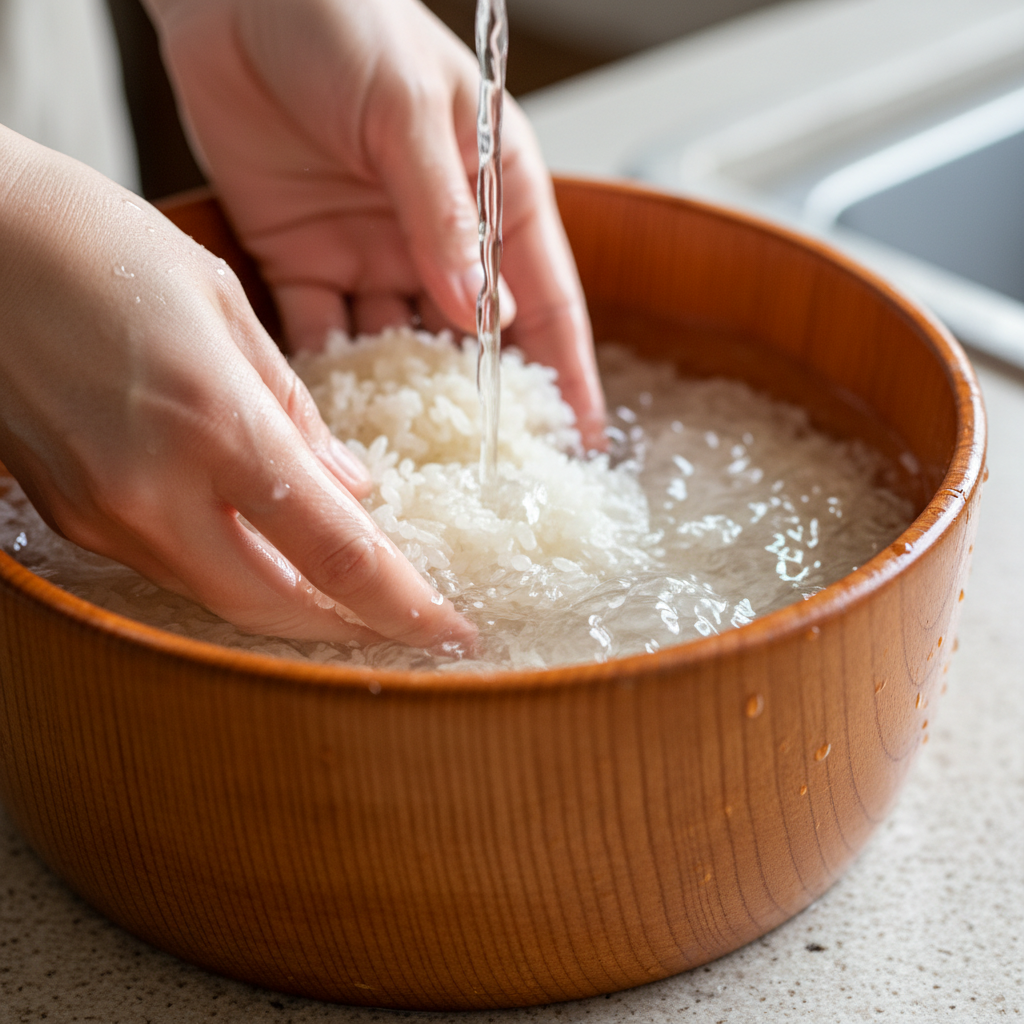
Washing — three rinses, no more
The Water
Rice washing is not cleaning. It is listening. Three rinses — enough to remove excess starch, not enough to strip the flavor. The water runs cloudy, then clear. That clarity is the signal.
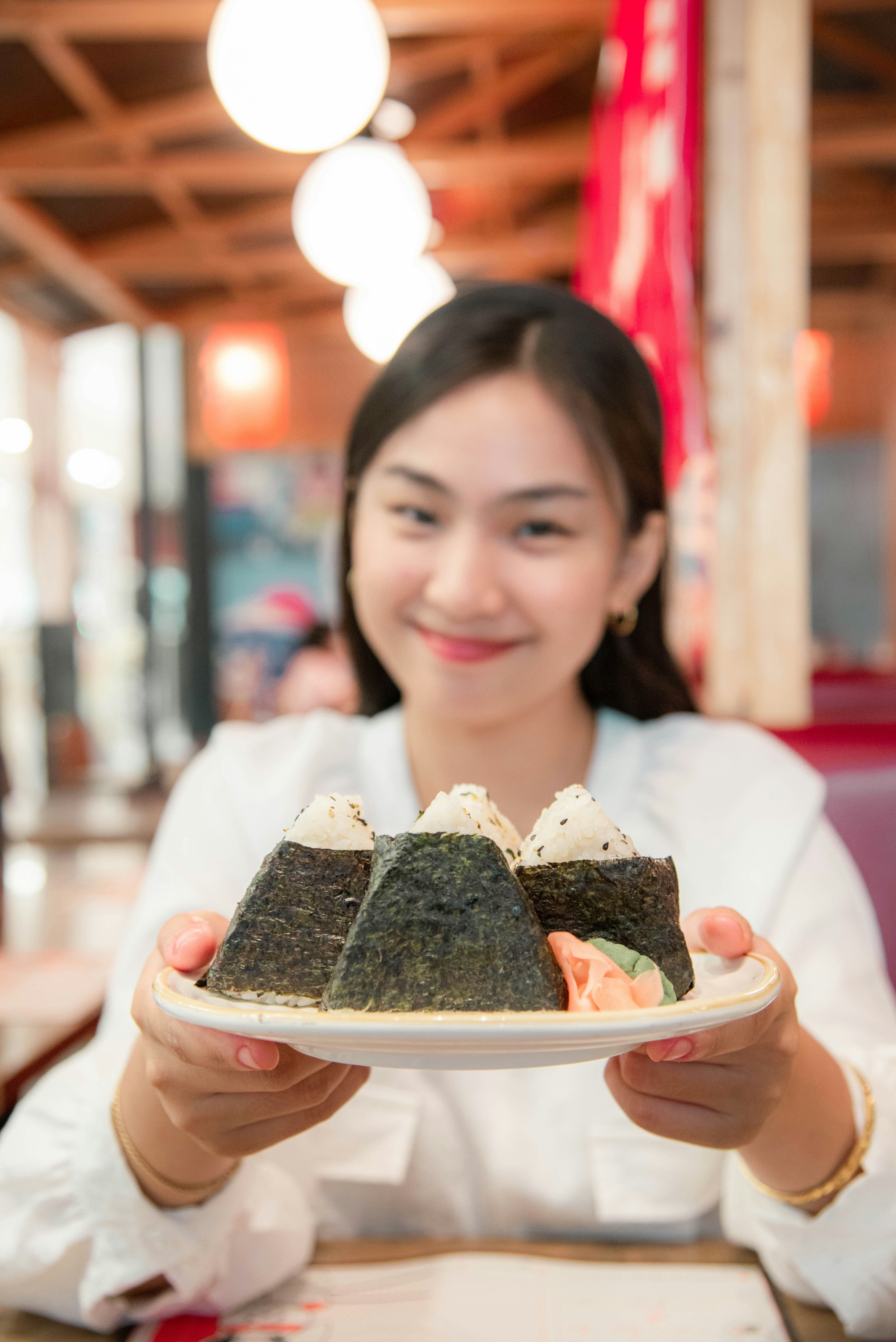
The press — 28 grams of pressure
The Hands
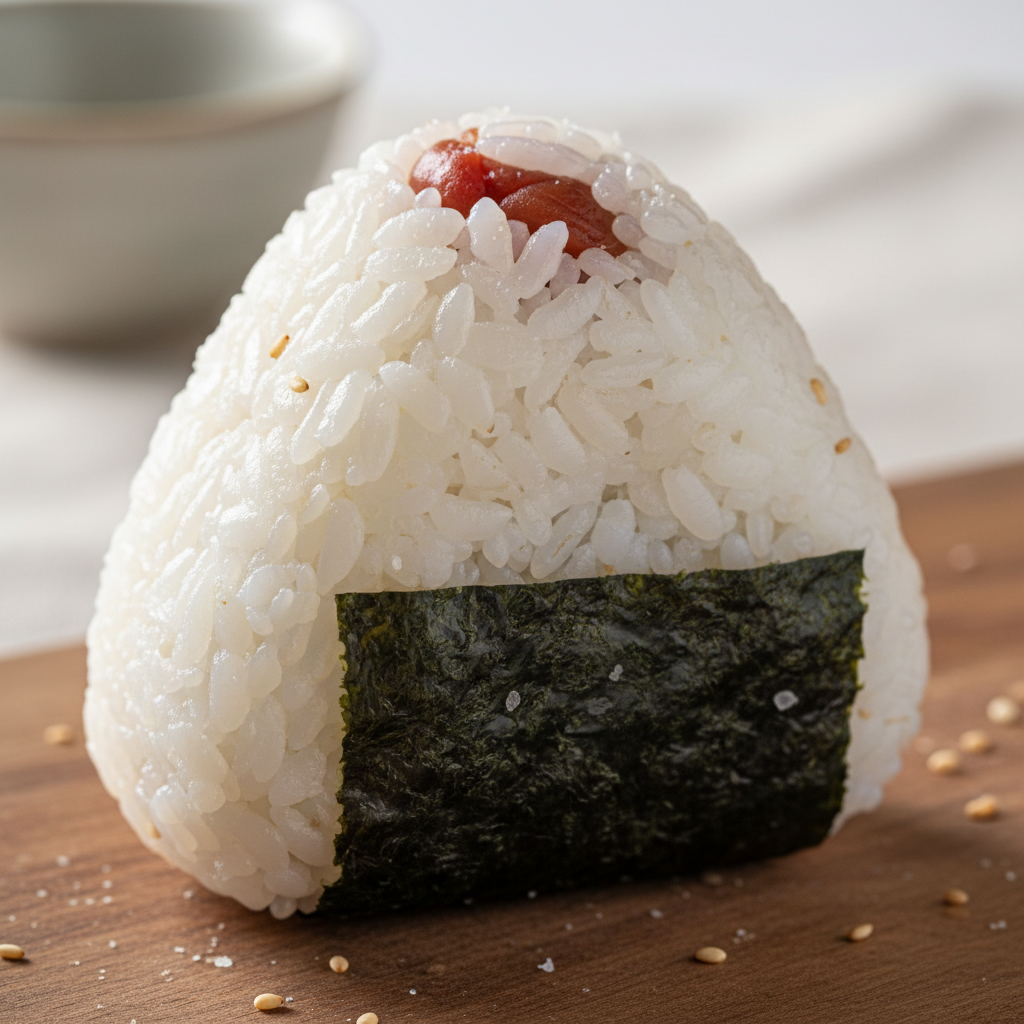
Yuki learned to shape onigiri at age six, watching her grandmother at a Kanazawa konbini. The triangle is not folded — it is pressed three times, rotated, pressed again. Muscle memory that no machine replicates.
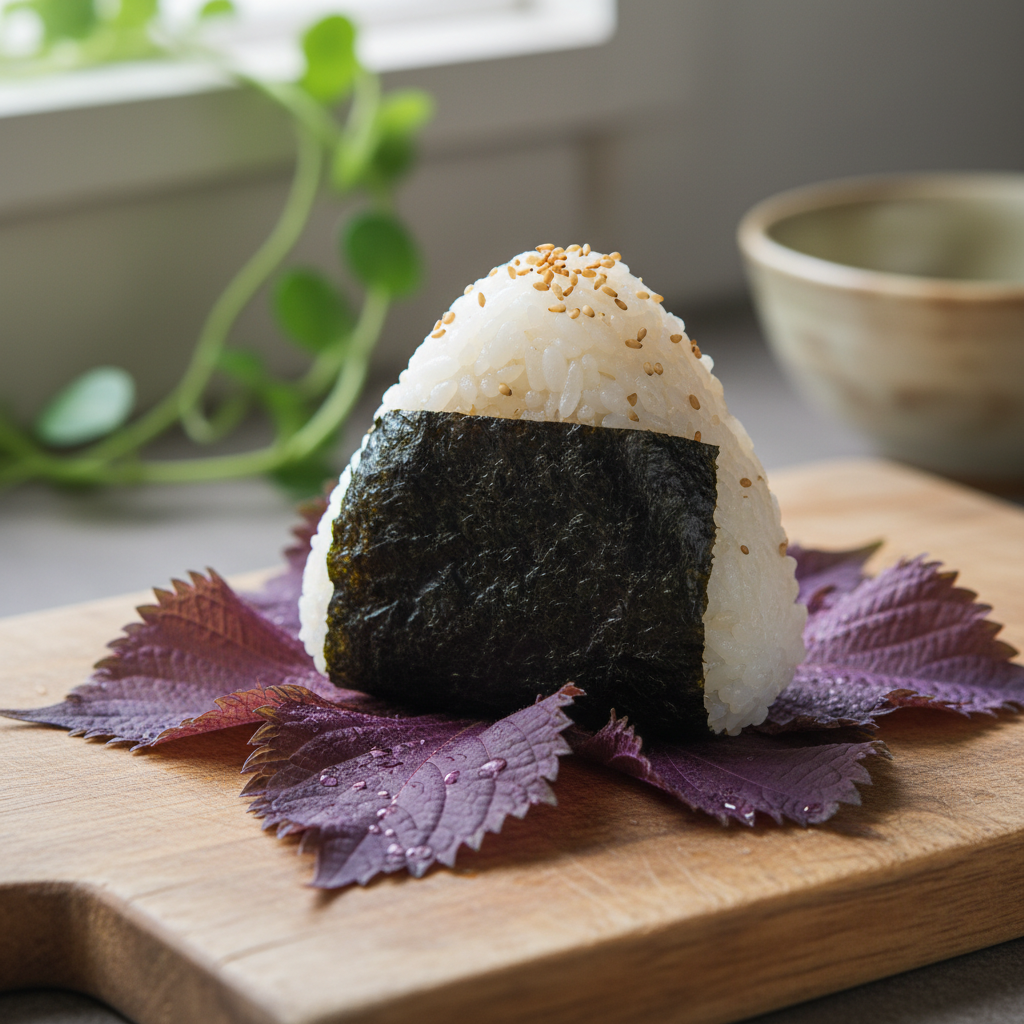
Ariake nori — harvested at low tide